It’s been a week since the incision staples were removed and it still looks really bad. It keeps blistering and leaking yellow fluid. They did not place the port. Somebody dropped the ball with the insurance authorization, so I had to wait until that happened. Then it was a matter of the first available appointment with the right doctors, which ended up on the 29th. So I’m not sure what’s going to happen tomorrow at the oncology appointment. I’m hoping that they’ll reschedule the start of chemo until the port heals, maybe around the 1st or 2nd week of August? I’ve heard horror stories about getting chemo through normal IV catheters and I’d rather not repeat an episode like the potassium incident at the hospital.
The good news is that I’ve been able to walk in the park this week, I’m up to about 2.5 km now and increasing it a little more each day. Yep. Ignoring the doctor’s advice. Don’t hate me for it. I believe that moving my body will help me heal faster, as long as I do it safely.
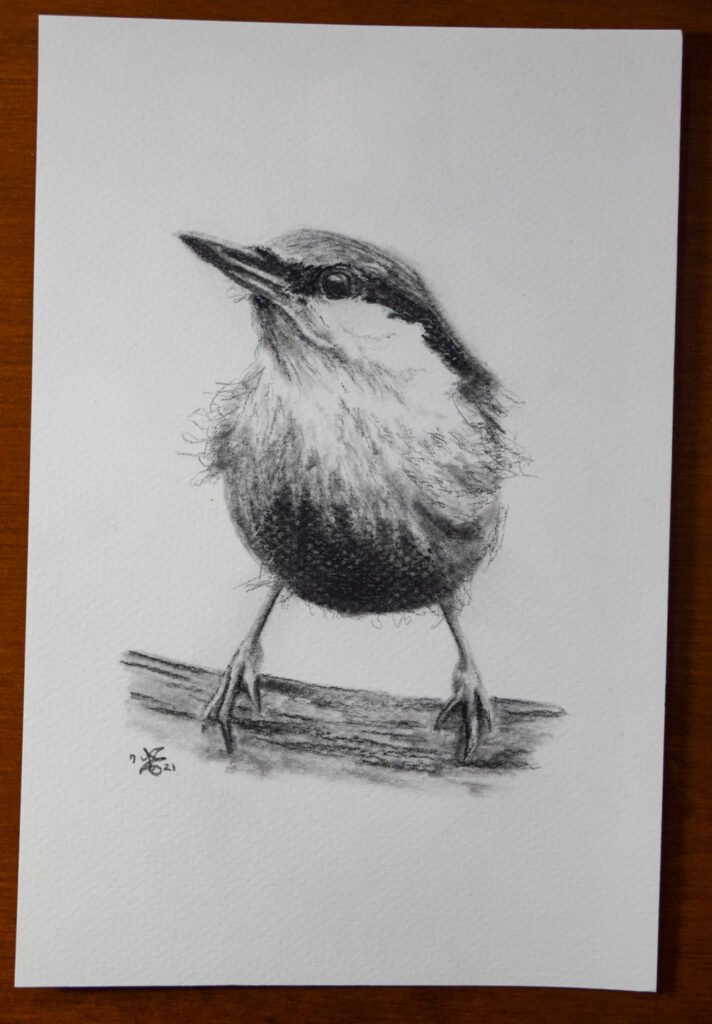
And I’ve been able to get into the studio, even if only for a couple of hours a day. So I’ll share one of my artworks today. You’re stuck with knitting progress for the rest of them!
Unfortunately, I’m still losing weight. You just don’t think that’s a bad thing until you realize how much reserve you need. I’m getting a little worried and hope it plateaus soon. I’ve lost 16 pounds!
So after being home for a couple of weeks, I thought I’d offer some tips for anyone about to undergo abdominal surgery and thinking they can just go home to a normal life afterwards. Maybe that’s true for outpatient surgery or for younger people who heal quickly. It certainly wasn’t true for me (who was in great shape prior to the surgery) and I suspect it won’t be easy for anyone over 40 (regardless of how great your health is). So here’s a brief list of things you might want to consider. These are things I struggled with, but they had to cut both my small and large intestines, so my experience might differ from yours.
Tips for Prepping Your Home After Intensive Abdominal Surgery
- Abdominal surgery wrecks your ab muscles, so don’t plan on twisting or bending for awhile. This means that everything you’ve got stored in your lower cabinets is out of reach. You’re going to either need a grabber tool (the claw picker-upper), or someone will have to put your necessities on the counter for you to use. Ditto with anything too high. You may even be walking with a walker (or in a wheelchair) when you first get home, so consider you might not be able to reach the back of a counter top. This applies to both your kitchen and bathroom!
- Wrecked abs means rolling over while lying in bed is impossible, so consider setting up your sleeping cot in a comfy recliner for the first week to ten days that you’re home. I wasn’t able to roll over until 3 weeks after surgery, and my abs were in pretty good shape prior. Believe me, I tried—and that’s when the incision started leaking badly. I had no idea what it did to the sutures in my peritoneum or the sutures in the intestines, so it’s probably better not to risk it.
- Consider arranging for a home nursing visit, even if you have someone taking care of you. I didn’t think I’d have any problems, but when the incision started leaking and blistering and the tele-nurse would only recommend going to the ER, I really wished I had a home nurse visit. Two in the first week would’ve been plenty. It would’ve been nice to have some reassurance that things were healing okay as well as recommendations on how to do things better (such as protecting the incision while showering).
- Ensure you have someone at home to help you 24/7 for the first week or two. I couldn’t even get out of the recliner to use the restroom without help. I certainly couldn’t cook for myself, nor load a dishwasher, nor wash the laundry that was piling up. I’m very grateful my family didn’t mind too much when I woke them in the middle of the night for a bandage change, too. Don’t be afraid to ask for help! It’s hard to depend on someone 100% for your needs, but you have to bite the bullet and do so. You can pay them back later for their kindness, but only if you recover!
- Prepare your shower before you have surgery, or ask someone else to do so. A shower chair is definitely a must. Everything you need, all your soaps, shampoos, loufas, etc., should be within reach of the chair. A non-skid shower floor is helpful. Having a bar to grab is also helpful, if you can install one. If not, you might need someone to help you get in and out. And a hand-held shower head is a must. It’s easier to bring the water to you than to move yourself to the water.
And no matter how clean you normally are, don’t be afraid to take sponge baths. I found myself alternating between taking a shower on one day and a sponge bath the next. Showering took a lot of energy. - Finally, stairs can be a problem, so plan on avoiding them until you get your balance back, which could be up to a week after going home (depending on how long you were in the hospital). Consider setting up temporary alternative living arrangements (i.e. moving your sleeping area to the living room) or resign yourself to temporarily avoiding the rooms at the end of the stairs.
I hope you never have to undergo abdominal surgery, but if you do, I hope these tips are helpful.
In my next post, I’ll share what happened at my first oncology visit. Until then, stay well and eat healthy!
originally posted at annettezimmerman.com