In my previous post, I wrote about the few places where I felt that I belonged as a child—and how moving away from them taught me not to become too attached again.
By the time I joined the Air Force, I no longer expected anywhere to feel like home. Places were temporary. You learned enough to function, followed the local rules, and moved on when circumstances required it. For a long time, that approach worked. Then, after leaving the Air Force, the pattern continued. My husband and I lived in rental houses. Every lease lasted a year, after which we were free to search for something better.
We eventually bought our first property in a rural foothill area of California. We lived there for four years, but everything required a drive. Stores, restaurants, and entertainment existed somewhere beyond the road leading away from the house. It wasn’t until we decided to have children that I unexpectedly found another place where I belonged.
We sold the rural property and moved to Chico. I had my sons there. I worked at a veterinary hospital and met clients from all over town. Later, I worked with my children’s school and came to know teachers and other parents. I worked for our Fellowship and knew people throughout the congregation.
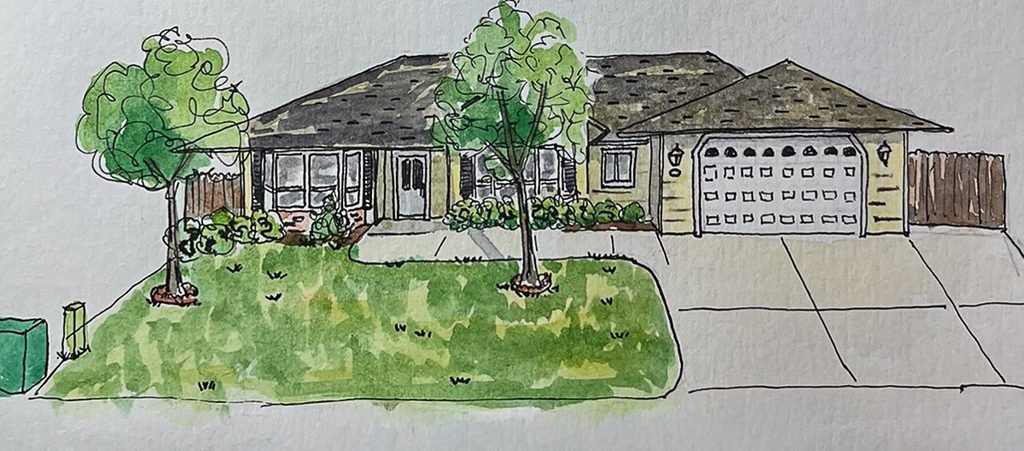
I learned every street in Chico during those first few years. I knew downtown, the farmers’ market, the parks, and the playgrounds. I knew where all the good bars and restaurants were. Over the years, Chico grew from a small country town into something closer to a small metropolis. I watched it happen. I served on our school board, participated in community events, wrote letters to the newspaper, and knew a few city council members well enough to feel comfortable chatting when we bumped into each other. My voice wasn’t powerful enough to change very much, but I felt that I had a voice. I understood the city, and I had some part in its life.
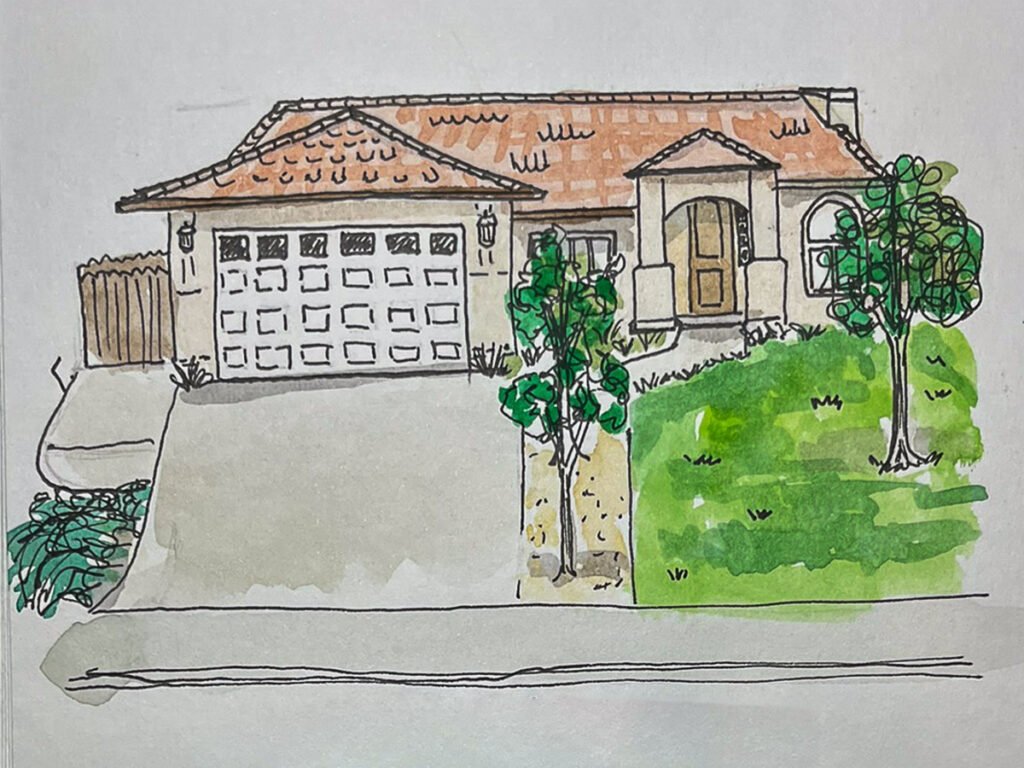
We lived in three different houses there. At the first, we planted trees that I can still drive past and see. At the second, we added a driveway and porch. The new owners have painted the house, but those are still there. At the third, we replaced the front door, and that remains too. There’s evidence that I was there.
Eventually, we left Chico because of a job change and moved to the East Bay. We lived there for a couple of years, until the 2008 economic crisis put my job at risk and forced another move. Then, after five or six years away, we finally managed to return to Chico.
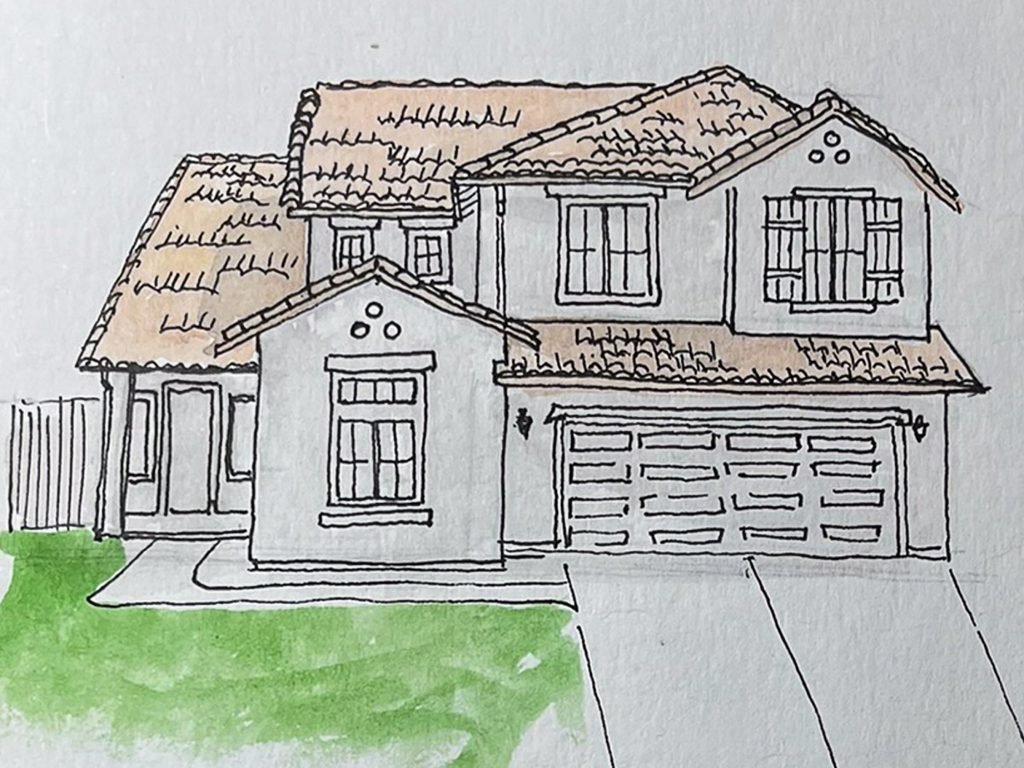
I’d thought returning would feel like coming home. Instead, Chico had changed so much that I no longer felt the same relationship with it. The name was the same. Many of the streets were the same. Evidence of our earlier life was still scattered around town. But the place I’d understood so completely no longer existed in quite the same form. We remained in Chico until we retired, but the original feeling never fully returned.
Apparently, belonging isn’t something a place stores for you. You can’t leave it behind like a box in someone’s attic and expect to reclaim it years later. It exists in the active relationship between you and the place as it is now.
When my husband and I retired, we knew we couldn’t afford to remain in California. We looked for somewhere else to live and eventually settled near Jonesborough, Tennessee. The move was a compromise. I wanted a beautiful place with room around it. My husband wanted a ranch-style house. The first time I walked into this house, it felt familiar to me. It seemed like somewhere I could make into a home, even if it wasn’t exactly what either of us would have chosen in a world with unlimited money and unusually cooperative real estate.
We’ve now lived here for ten years. I love this area. Jonesborough is beautiful, and I appreciate its history and traditions. I’ve watched it grow and change, much as I once watched Chico change. I know many of its streets and the routes to the places I visit regularly. I’ve joined community organizations, worked on a local storytelling radio program, participated in events, and met many people.
I’m comfortable here, but I don’t feel that I belong.
Some of that may be physical. We live in the country, so I can’t walk out my front door and head downtown. I spend a great deal of time walking and running, but those activities don’t connect me to the town. Jonesborough and Johnson City are places I drive into for particular purposes, then leave again.
In Grove City, the town I wrote about in my previous post, I could walk out the door and enter the life of the community under my own power. I learned it one street at a time. Here, my home, my work, and the communities I visit occupy separate pieces of the map.
And some of the distance is cultural. After spending more than thirty years in California, East Tennessee sometimes feels like another country. The political and religious culture is different from mine. The systems of local government and voting still confuse me. There are rules and relationships other people appear to understand because they’ve lived among them much longer than I have.
There’s a local language of friendliness too. People say, “Have a blessed day.” regardless of your religious beliefs. What does a person say back to that when they aren’t part of that religion? They call me “honey” or “sweetie.” Even when I say, “You can call me Anni,” some continue calling me whichever affectionate noun happens to be within reach. It’s so annoying, not to mention that it feels patronizing. But more than that, it’s depersonalizing. “Sweetie” could be anyone. Anni is me. It’s like they don’t want to bother themselves with trying to remember my name.
That small interaction represents part of the larger distance I feel here. People are often courteous, but courtesy isn’t necessarily curiosity. Someone can be perfectly pleasant without being interested in who I am. They go through the motions because they feel like it’s something they have to do, or else…well, I haven’t figured that part out.
It would be easy to place all the responsibility for that distance on the local culture, but that wouldn’t be honest. I’m cautious about getting to know people too. When political, moral, and religious beliefs differ sharply, curiosity can begin to feel like approaching an unfamiliar dog while wearing trousers made of bacon.
I have made friends here. I’ve talked with people about their work, their families, and the hardships they’ve experienced. But most of those relationships remain attached to the places where they began. We don’t usually see one another outside of work. I rarely run into someone I know while walking down the street. And I’m still more likely to move through town as a stranger than as someone whose presence is recognized.
Perhaps I expected too much. I expected Jonesborough to become special in the way Chico had once been special. I didn’t understand how many years, relationships, routines, choices, and small acts had been required to make Chico feel like mine.
Our house is different. It feels like home in the sense that any place I’ve lived for a long time feels like home. It contains my things. I know where almost everything is, and I can relax here. We’ve also planted trees outside and added a carport. When I pull into the driveway and see those changes, I feel happier about arriving home. They’re visible evidence that we’ve lived here and altered this small part of the world.
That may be part of what makes a place mine: leaving some evidence behind.
But the places where I’ve felt that I belonged suggest that something more is involved. I need to understand a place well enough to move through it confidently. I need some freedom to make choices and affect my surroundings. I also need to feel that I can remain myself while I’m there.
Familiarity, agency, and authenticity. Perhaps belonging happens when all three meet.
That may explain why returning to Chico didn’t restore the original feeling. The city had changed, and so had I. Our relationship could no more return to its earlier form than we could return the trees we’d planted to saplings. It may also explain why ten years haven’t made Jonesborough feel like mine. I know it better than I once did, but I don’t move through it with the same independence I experienced in Grove City or early Chico. I’ve left a few marks, but I don’t feel that I have much influence. And fitting fully into the culture might require changing parts of myself that I no longer intend to disguise.
I’ve come to think that belonging to a place may be a little like friendship. Some friendships form easily when we’re young because school, work, children, or circumstance put us together every day. As we grow older, making friends becomes harder. After enough moves and painful goodbyes, it also becomes harder to offer a place the trust and attachment that belonging requires.
I don’t know whether Jonesborough and I will ever become close in the way Chico and I once were. Perhaps that’s the wrong comparison. New friendships don’t have to recreate old ones to matter. I can keep showing up, paying attention, participating where it feels right, and leaving small marks of my own. Then I can wait and see what kind of friendship grows.