
December in the laundry room
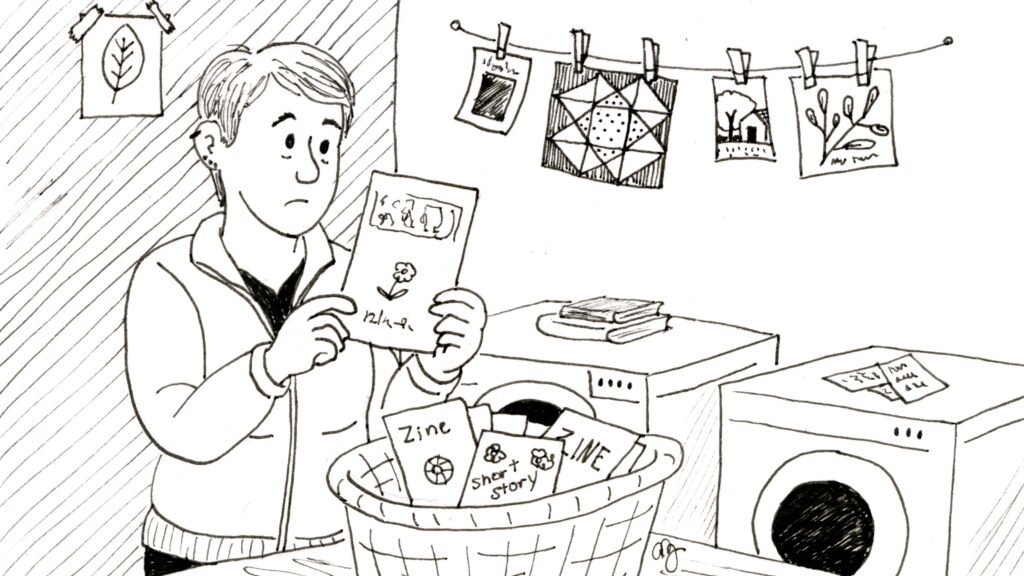
I’m in the creative laundry room this month, holding up projects like shirts and asking which ones still fit.
Inside my winter sticker sketchbook
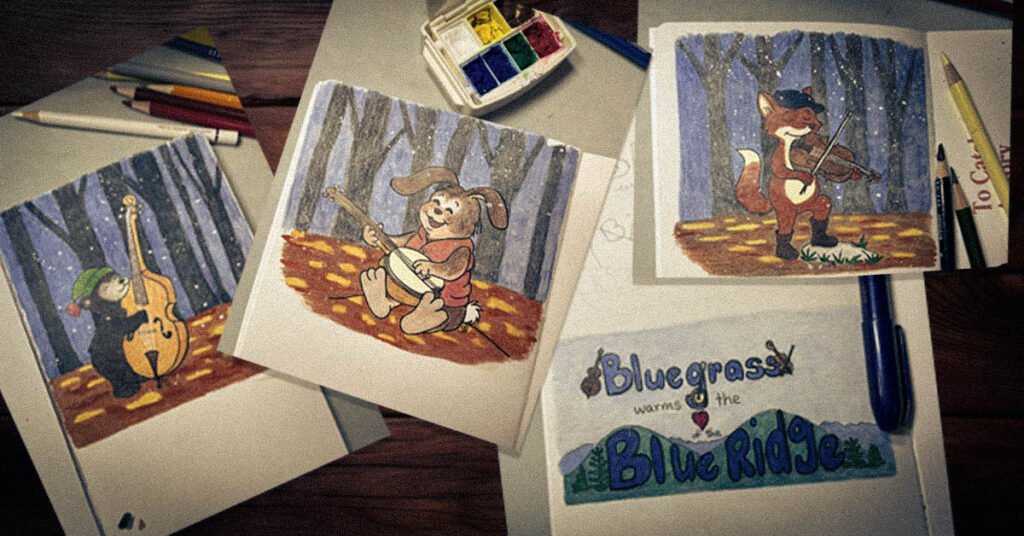
A quiet return to drawing this week, working on winter animals and bluegrass charm in a behind-the-scenes peek at how this year’s sticker collection begins.
When a Story Tries to Turn Into Cinderella

A short reflection on how a simple magical-hairdresser story tried to turn into Cinderella, and what it taught me about tropes, honest endings, and staying inside a character’s heart.
Return to the studio: dust, light and the first day back
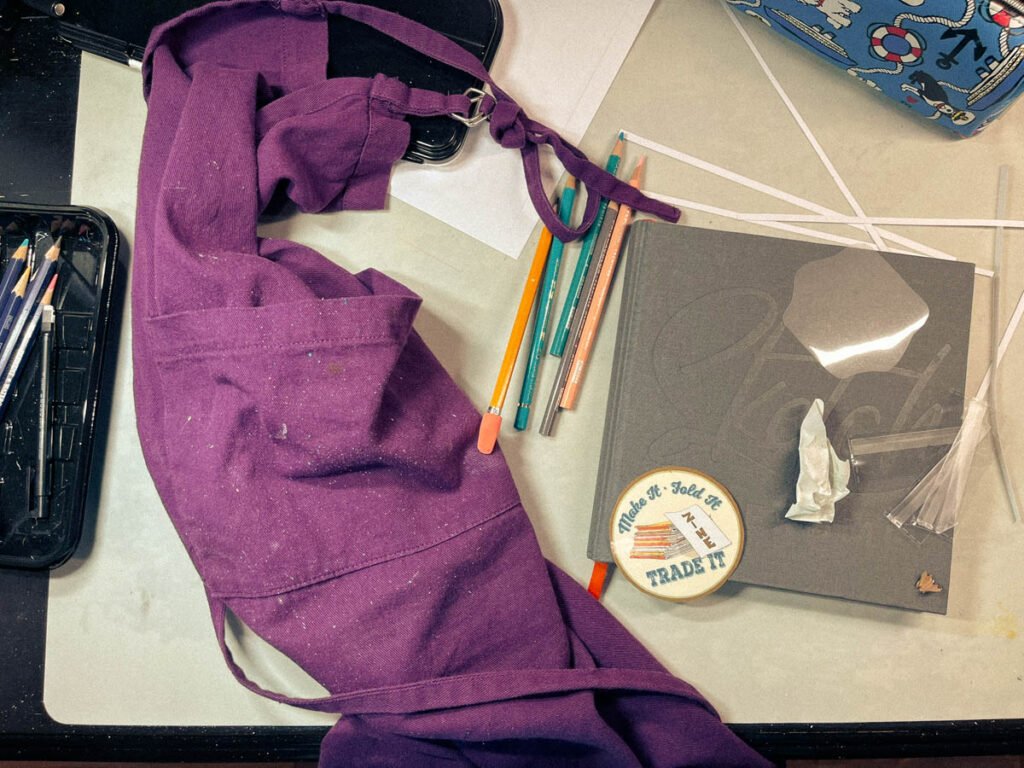
After weeks in hospital halls, I finally made it back down the basement stairs to my studio. The dust, the light, even the quiet felt like home. Between the hum of the printer and thoughts of a real meal again, I’m learning how healing can sound like paper shuffling and smell like dinner on the stove.
When a zine isn’t a zine…

I recently discovered that some of my beloved “zines” aren’t zines at all—they’re chapbooks! What began as mild embarrassment turned into a delightful realization: I’ve accidentally been running a small press. In exploring the tangled history between zines and chapbooks, I found that their difference isn’t about rules—it’s about intent, and the shared joy of making stories personal again.
From No Imagination to Endless Ideas
Ten years ago, I thought I had no imagination. Now I keep pens in every room just to keep up with the ideas. Somewhere along the way, my creativity grew three sizes—like the Grinch’s heart—and started glowing like a jar of fireflies.
Realmscapes at one year: forging a creative path
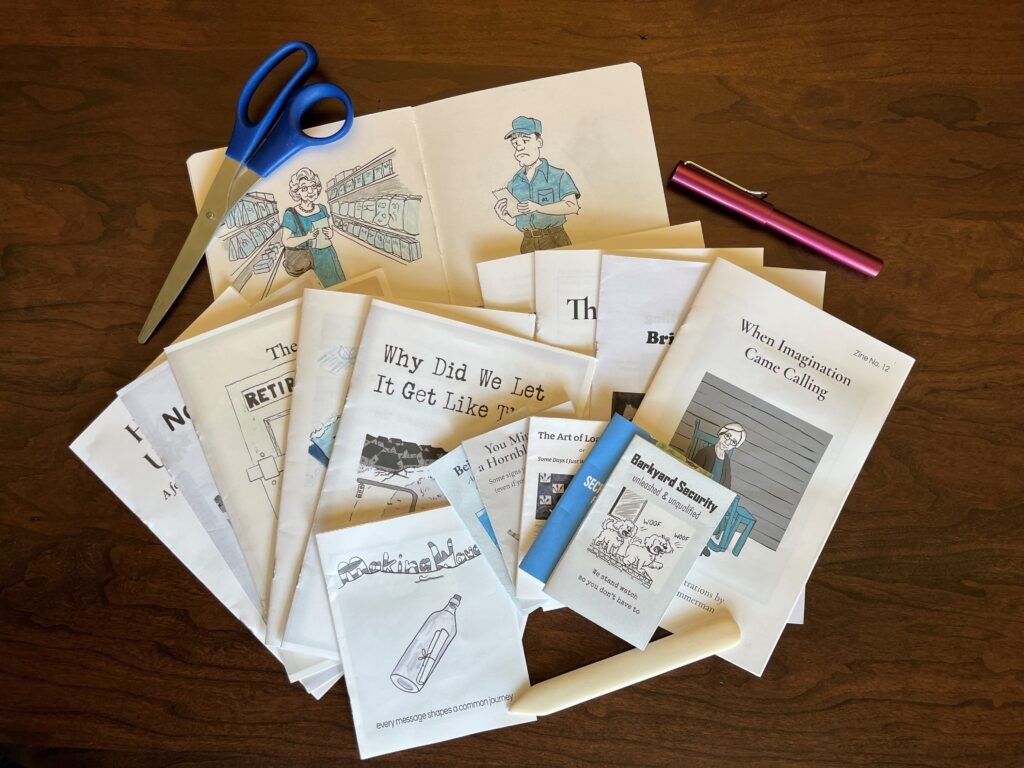
A year into Realmscapes, I’ve discovered that the Free Fictional Frontier isn’t just a home for old short stories—it’s become the Dispatch for my zines. Fifteen booklets later, I’m realizing that what began as an experiment has turned into the creative path I’d been searching for all along.
Every Fall Begins Like a Story
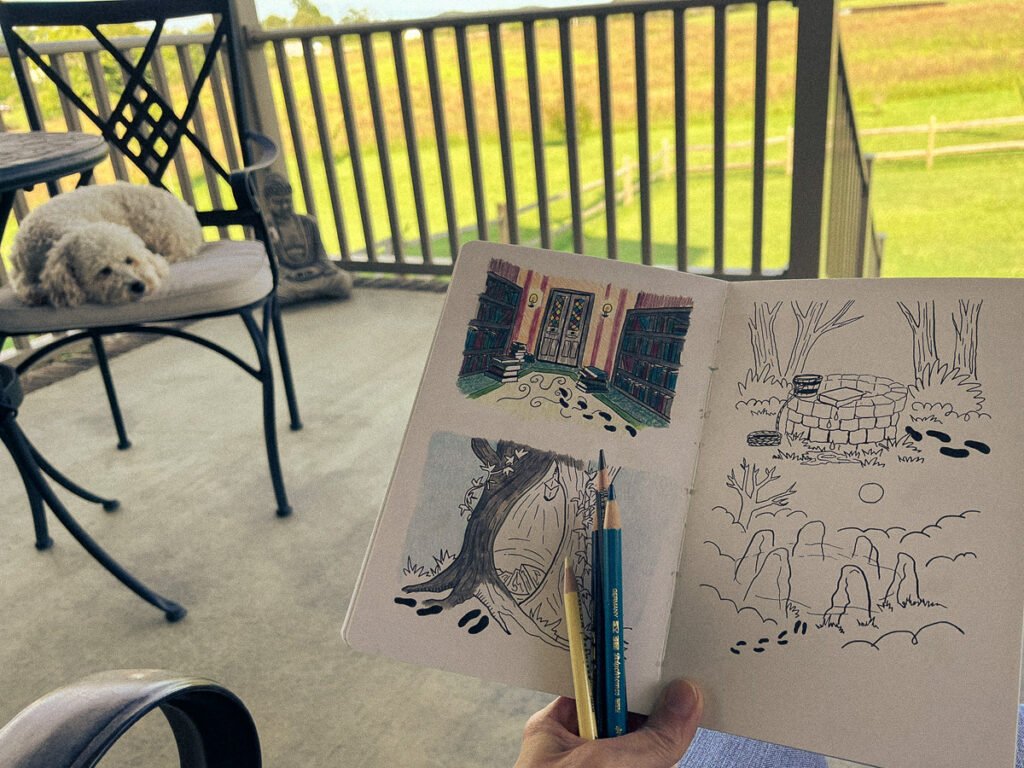
September brings stories, mishaps, and new beginnings—lost zines, moody computers, and plans for a bard’s wagon at Zine Fest.
A First Look at the Woodland Watchers

This week brought hospital waiting rooms, cooler autumn days, and progress on my Woodland Watchers zine. One illustration is finished, a second is underway, and the owl beneath the Hunter’s Moon has already whispered his story into the night.
In Praise of the Story-seeker’s Gremlin
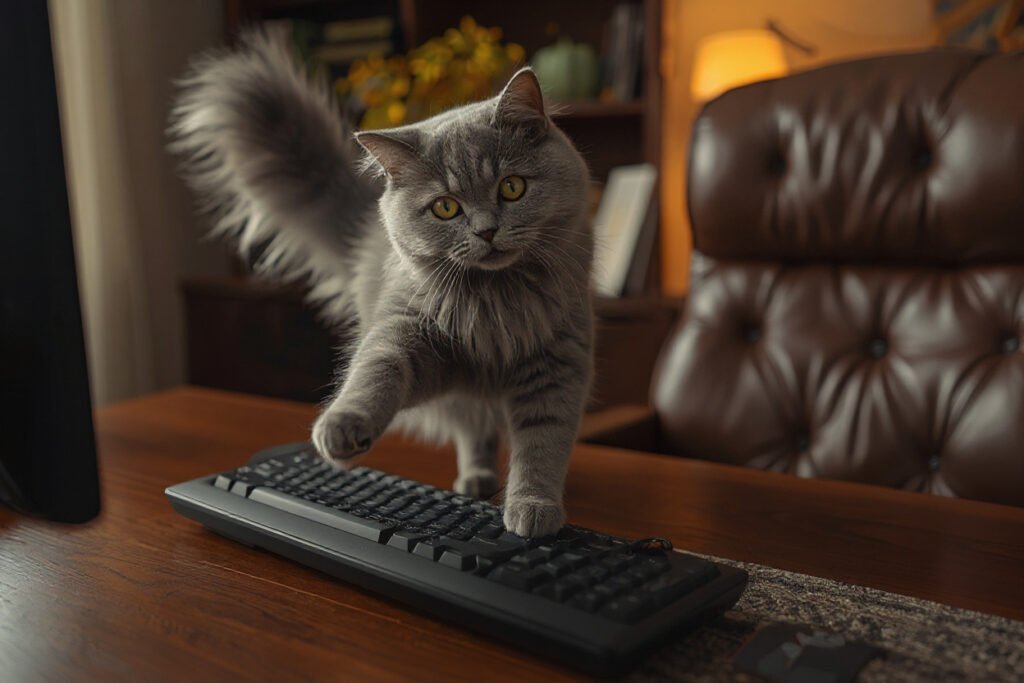
A playful ode to creative chaos, mysterious glitches, and the mischievous gremlin who shows up just when you think everything’s under control.
Paper, Ink, and Six Years of Becoming

Paper, Ink, and Six Years of Becoming
The story behind The Shopping List

Sometimes a story begins with something as ordinary as a dropped shopping list — and a moment of wondering who it belongs to.
Mapping the Realms: How This Site is Actually Organized

Realmscapes isn’t just a blog—it’s a mapped world of creative realms. This week, I’m pulling back the curtain to show how it’s actually organized (and why I built it this way in the first place).
Making Waves

Making Waves explores life’s stages through six illustrated messages—pleas, regrets, and acceptance—drawing inspiration from Zen’s empty boat parable and the idea that we are the boats, always moving, always changing. The zine ends with a space for your own message, inviting you to join the journey and pass it along to someone else who might need it.
The myth of the perfect creative space
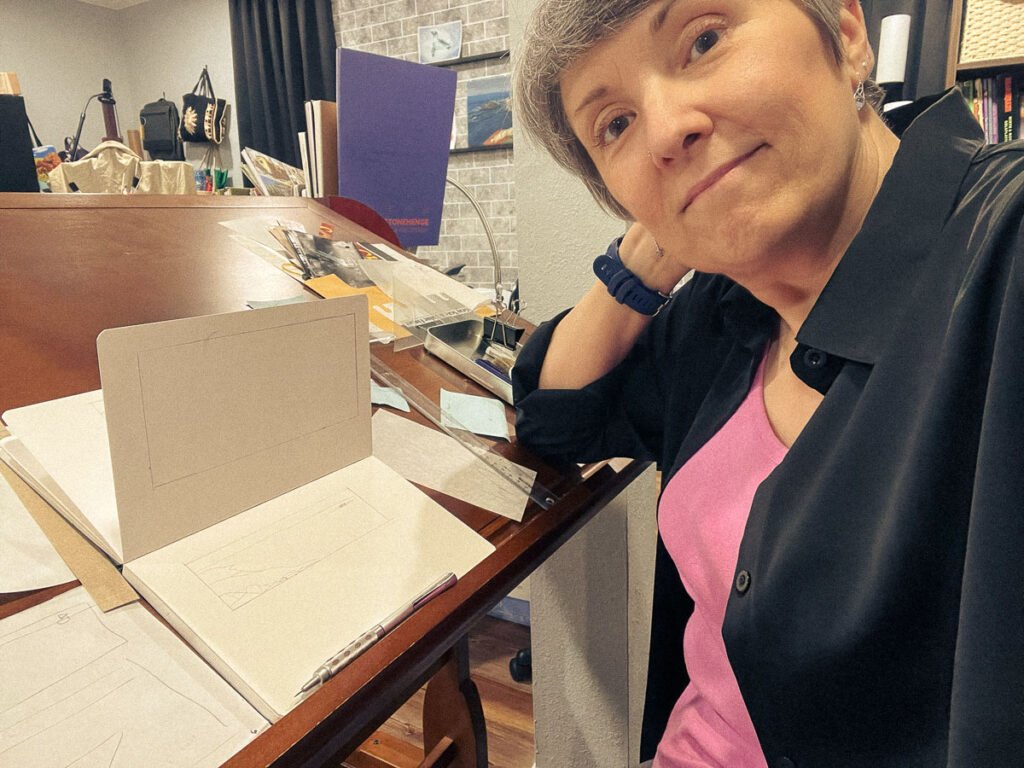
This week’s zine didn’t make the deadline, but real life did. While catching my breath, I found myself pondering the YouTube myth of the perfect studio—and why creativity thrives in messy, real-life corners instead.
When Coffee and Computers Conspire
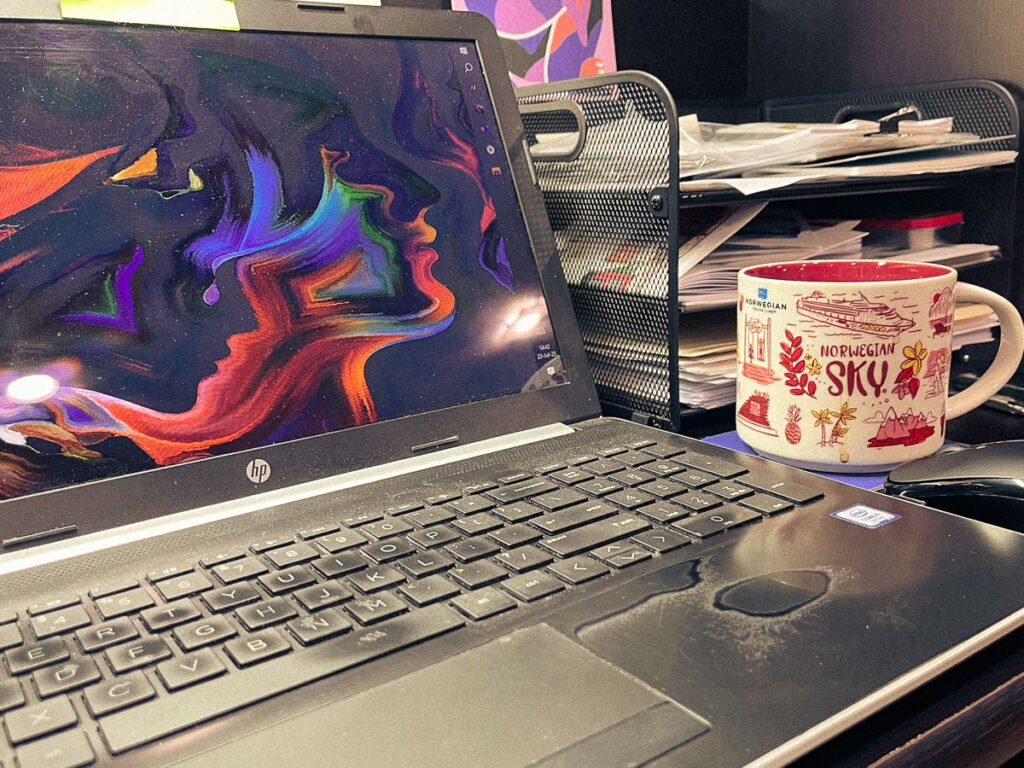
Half‑caff mornings mean more time for journaling, art, and apparently talking to my laptop when it stages a dramatic shutdown. Between cold coffee runs to the microwave and a machine dreaming of retirement in Florida, it’s a wonder I get anything done. But hey, I call it a win. Sort of.
You Might Be a Hornblower If…
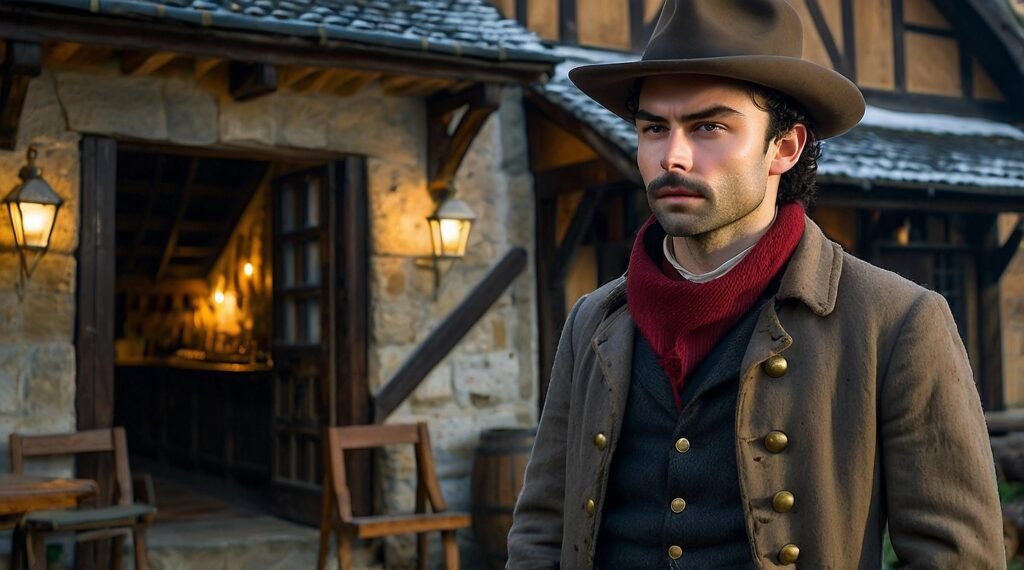
I don’t usually make fan zines—but then Mat Cauthon raised the Horn. This one’s for the reluctant heroes, the gamblers, and the ones who turn back.
Lines, Tones, and Tiny Victories: A Quick Tour of My Zine-Making Pens and Markers
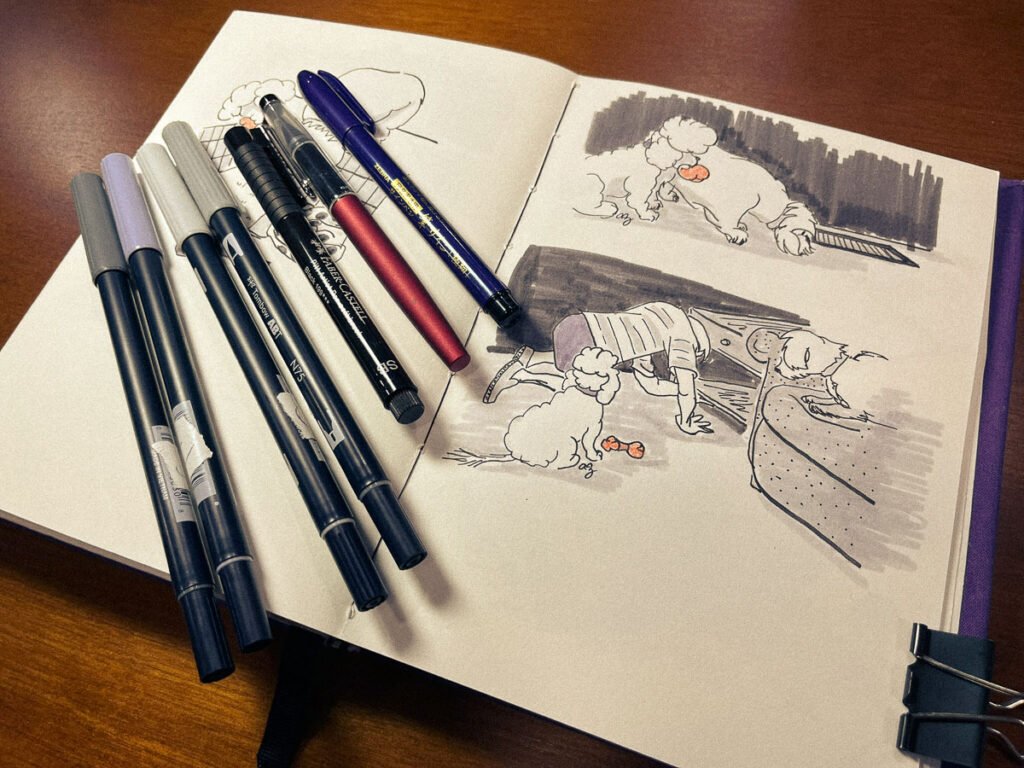
Waterproof lines, velvety tones, and a few battered marker tips—here’s the candid rundown of the brush pens, cool-gray Tombows, and papers I trust (or quarantine) while cranking out zine pages.
The secret power of mini-projects
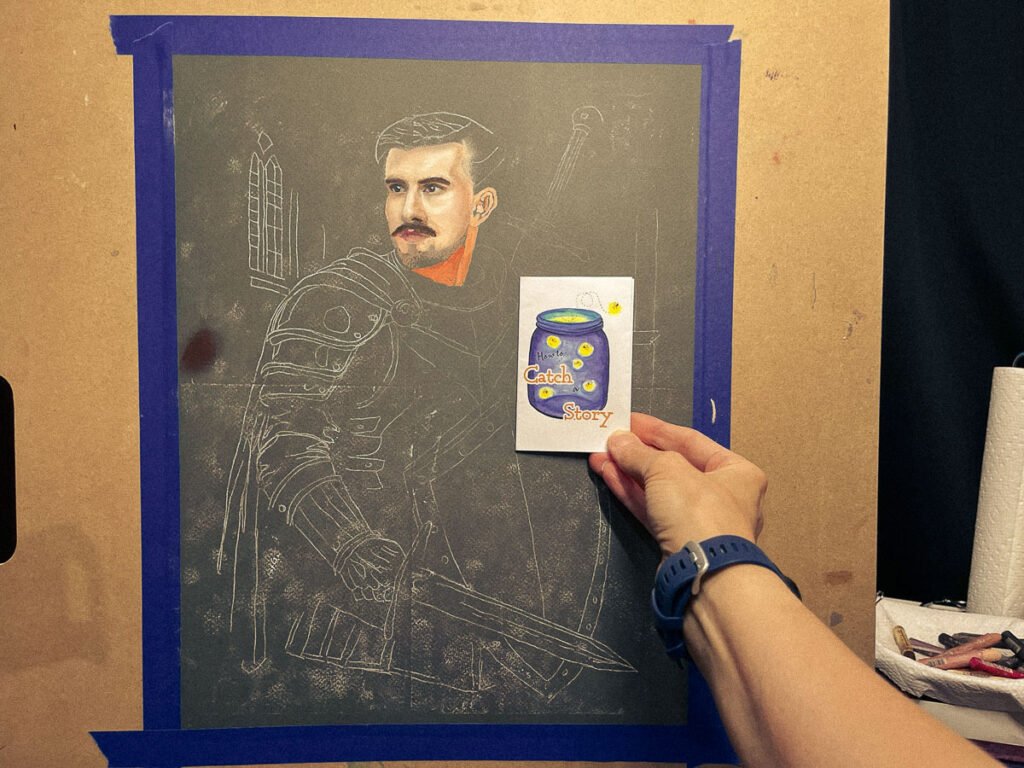
Sometimes the secret to finishing creative work isn’t more time or more discipline — it’s thinking smaller. Here’s why mini projects have helped me finish more in two months than I did in the last two years.
Barking at monsters
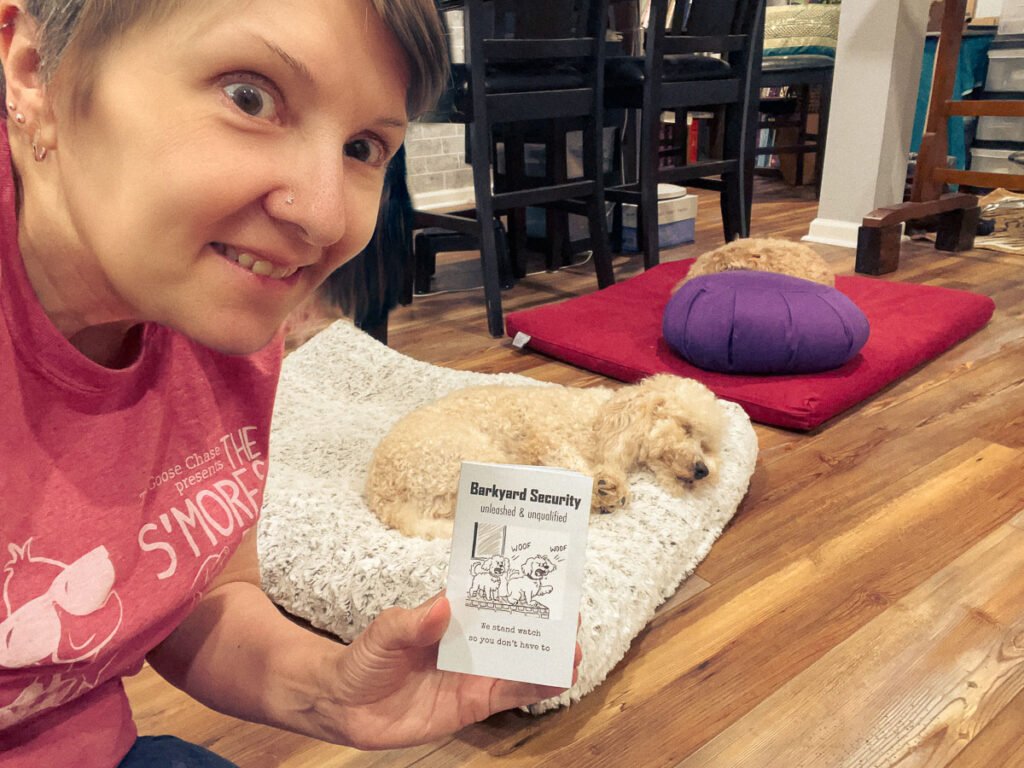
Dogs bark at rabbits. I bark at Elementor. A funny look at creative chaos, Barkyard Security, and how overreaction might just be our default setting.
How to make a zine habit: four in and still rolling
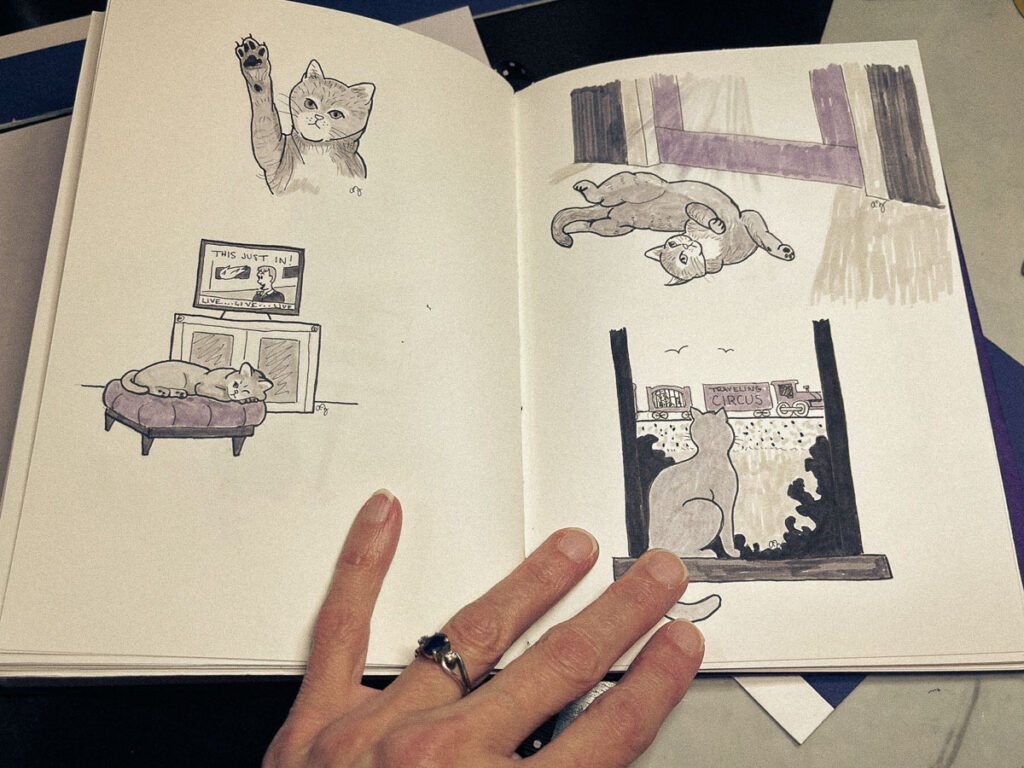
Online zine-making seems to have gotten easier after only four issues, maybe because I’ve streamlined the process (or at least stopped reinventing the wheel each time). The idea and draft It starts with the idea. Some weeks it comes fast, other times I spend a couple of hours thinking it through. The easiest ideas show […]
June Studio Dispatch

A June update from the Realmscapes studio: a new zine, a new Realm, and a glimpse behind the scenes as sticker kits and tiny books come to life.
The Birth of a Zine Habit

A behind-the-scenes look at creating my first illustrated Substack zine — why I made it, what I learned, and why this might be the start of a new creative habit.
Why I joined New Masters Academy and chose the Illustration Track
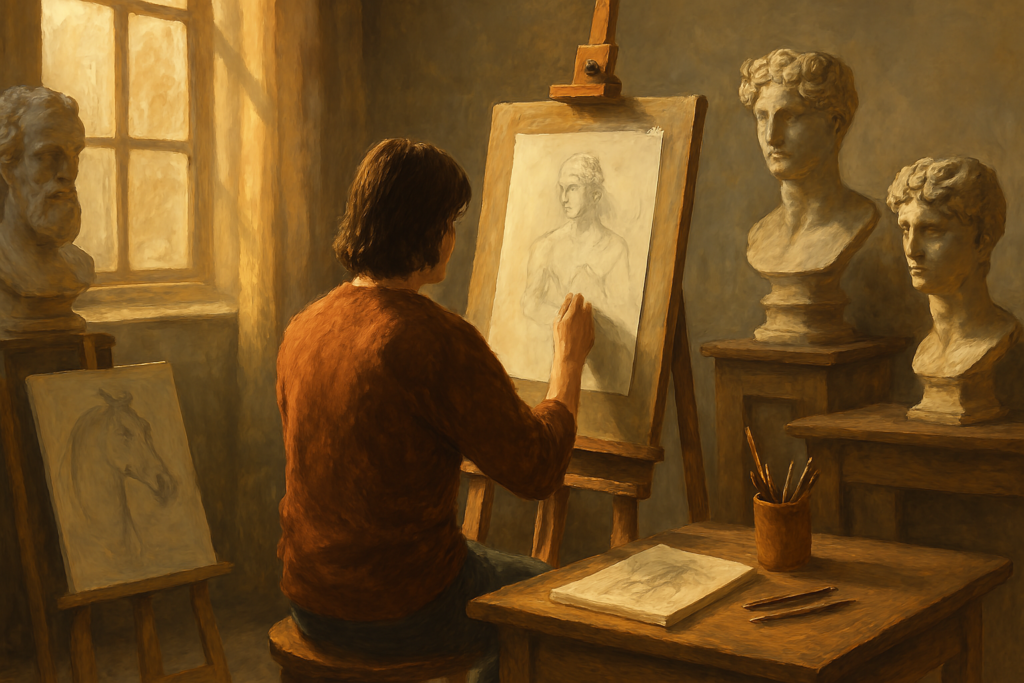
Curious about New Masters Academy? Here’s why I joined, how I chose the illustration track, and what Week 1 of their structured art program is really like.
Interviewing characters for my new series
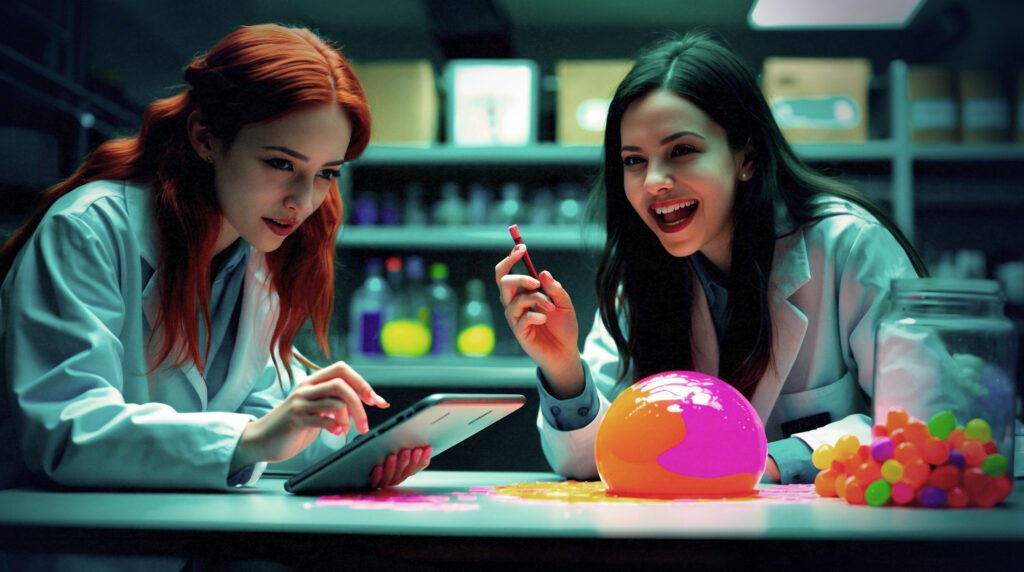
Ever wondered how authors discover their characters? Join me behind the scenes as I use playful AI-powered interviews to bring Core and Nova—two hilarious, heartfelt characters—to life for my new sci-fi series, Realmspire.
Can AI replace creators? Not anytime soon.
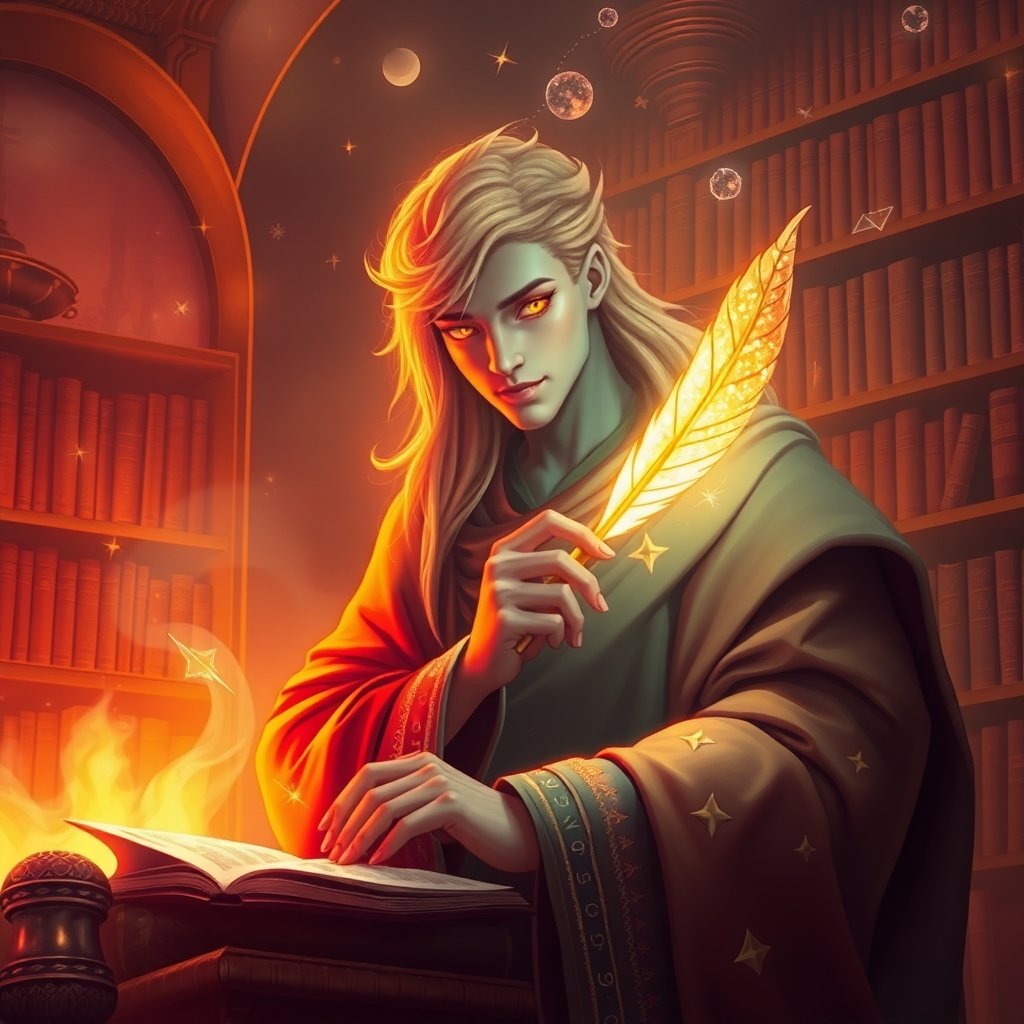
AI has sparked fears of replacing human creativity, but true artistry stems from personal experience and metaphor—something AI can’t genuinely grasp. While AI is a useful tool for brainstorming and simplifying tasks, it lacks the depth of human perspective, ensuring that writers and artists remain irreplaceable in the creative process.
Behind the Scenes: Writing and Posting My First Novel Draft

Finishing a novel feels like stepping through one door and reaching for the next—equal parts triumph and anticipation. Sharing my draft online pushed me to keep going, even when the words wouldn’t come. Now, with Aliki Martin and the Chocolate Cartel complete, a new adventure is just beyond the door.
Thriving in the backwater of the online creator ecosystem
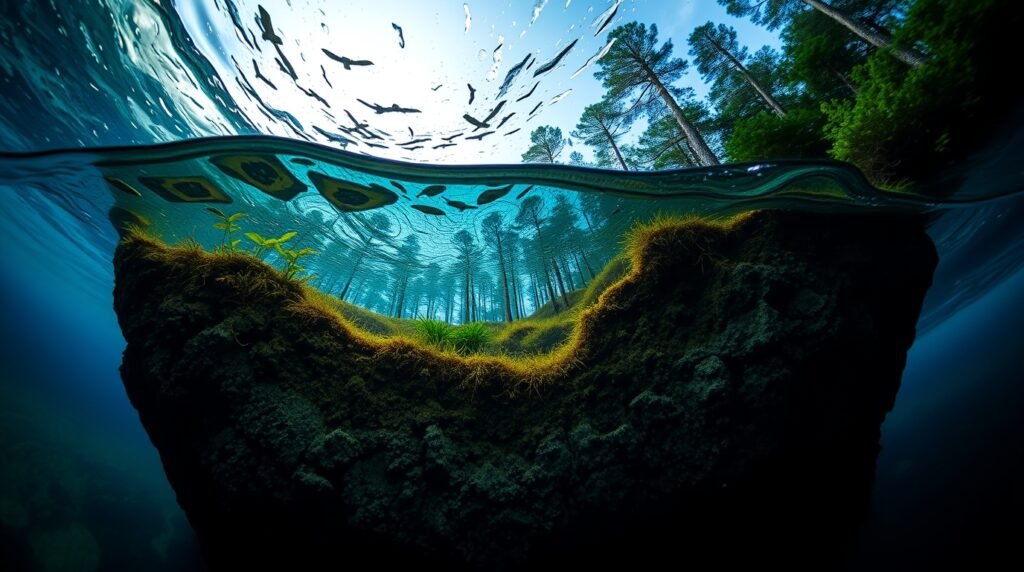
Feel like you’re drifting in the backwater of the digital creator ecosystem? You’re not alone. Join me in the backchannel—a space where creativity flows freely, beyond the noise of algorithms. Let’s set our lanterns adrift and see where the current takes us.
My adventure writing a sci-fi murder mystery
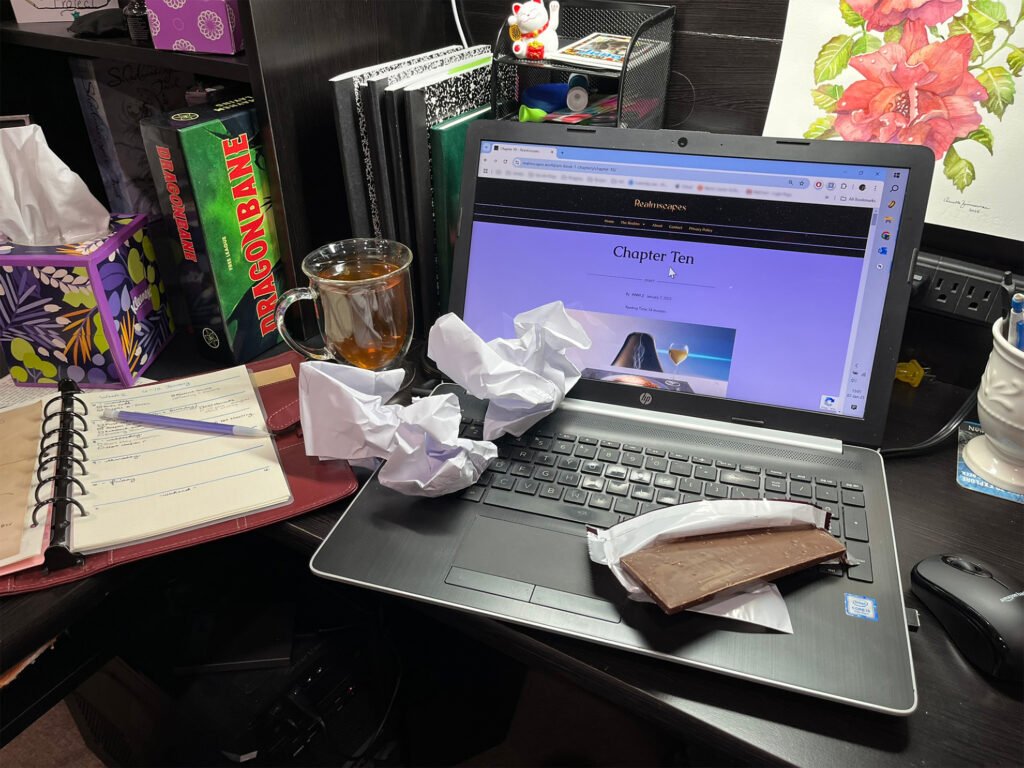
Turning spaceships and chocolate into a murder mystery has been a wild ride—but Aliki’s adventure is just getting started.
Aliki’s Next Mess: Chapter 4 is up!

Aliki thought managing a used spaceship dealership would be straightforward—at least as straightforward as it gets on Earth. In this chapter, she finds out otherwise. With the ever-watchful Mitch digging deeper and the enigmatic Zoron keeping his cards close, Aliki’s ability to stay under the radar is put to the test. Not to mention, just […]
Chapter 3 of Aliki Martin and the Chocolate Cartel is LIVE

The third chapter (in draft form) is posted on the web site. Please let me know what you think of the story so far!
How Storyteller Tools by M. Harold Page makes plotting addictive

Lost in the messy middle of your story? Storyteller Tools by M. Harold Page transforms planning into play. With conflict diagrams and clever QABNs, it’s like story sculpting on steroids. Fair warning: once you start, you might not want to stop plotting. Don’t say I didn’t warn you!
The power of observation for artists and writers
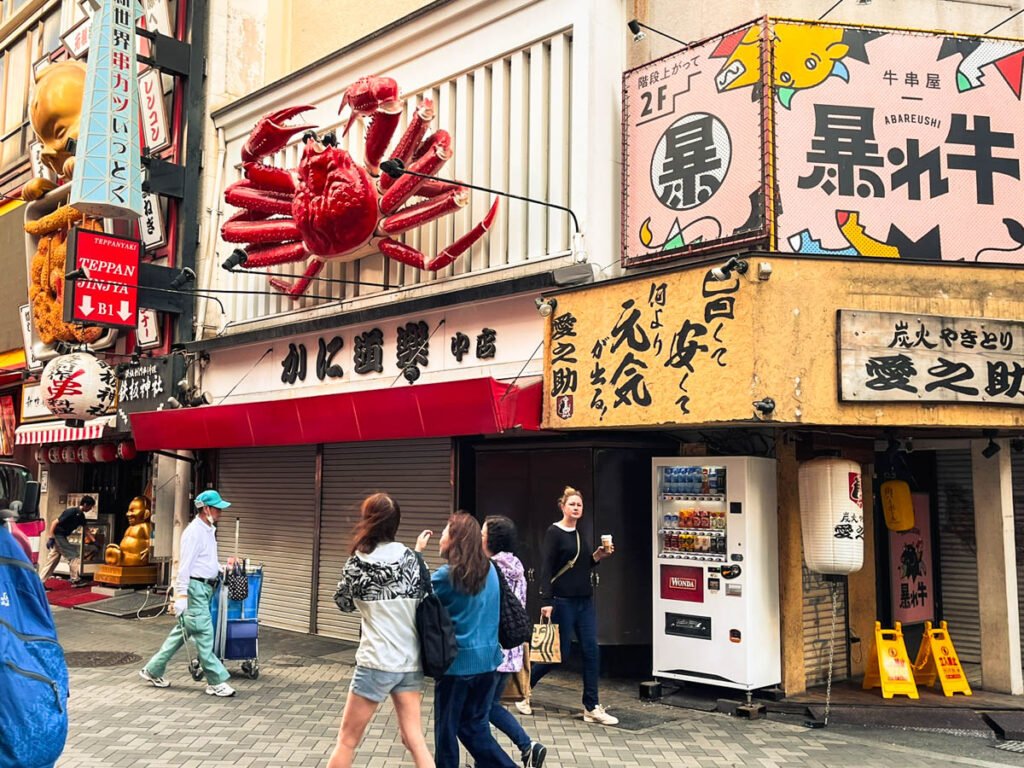
On a recent trip to Japan, I left my laptop behind to focus on something different: pure observation. By immersing myself in unfamiliar sights, sounds, and routines, I discovered how these experiences can deepen creative work, enriching the worlds we build with authentic details and fresh inspiration.
Navigating the future of illustration (and my own)
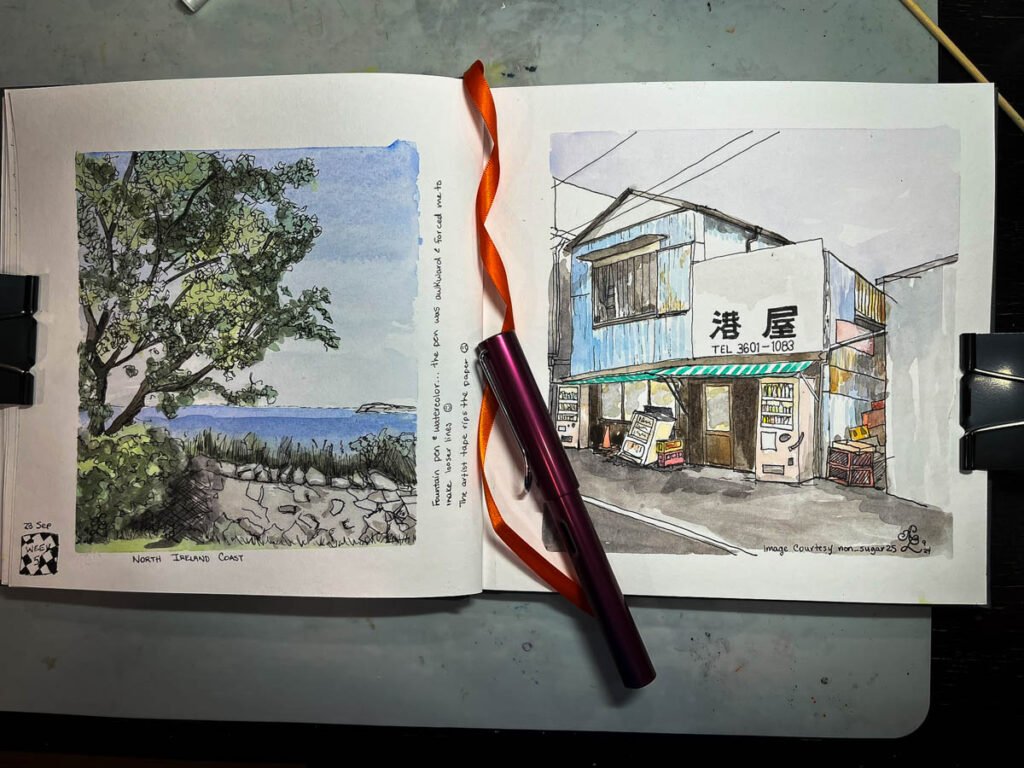
I fell off the illustration bandwagon this week while working on a novel. But I did manage some drawing practice, learning “Weight Drawing,” and had a realization while reading Heller’s The Education of an Illustrator about how AI is just another evolution in the industry, much like photography and digital tools were.
Exciting beginnings: my self-taught art journey, week 1
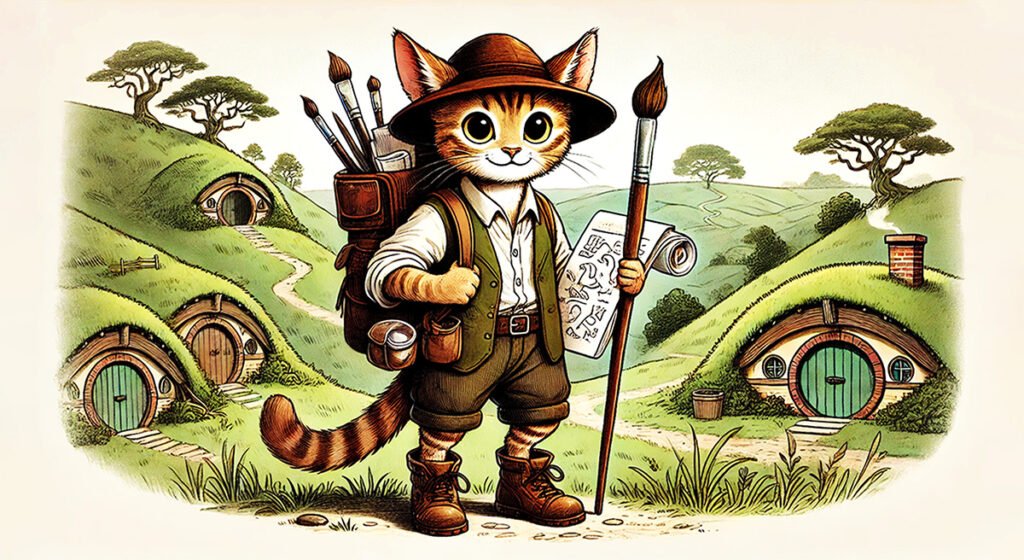
My first week on a self-taught art journey has been filled with unexpected challenges, inspiring discoveries, and a renewed sense of creative freedom. Join me as I explore foundational skills, face new trials, and uncover what it means to truly learn the art of illustration.
Creating a flexible ‘map’ for my illustration quest
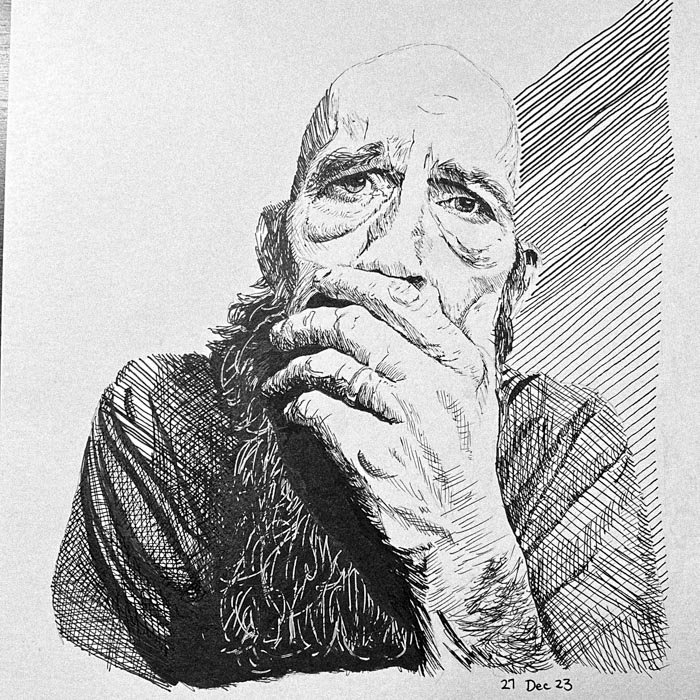
Check out my plan to boost illustration skills: improve drawing, composition, and storytelling. Learning at my own pace with no pressure!
SketchAwesome: a new sketchbook habit?

I’ve given up on an online business. But there’s one thing I’d like to do: make sketching a daily habit. SketchAwesome might help with that!
How to make a good art composition: start the right way!
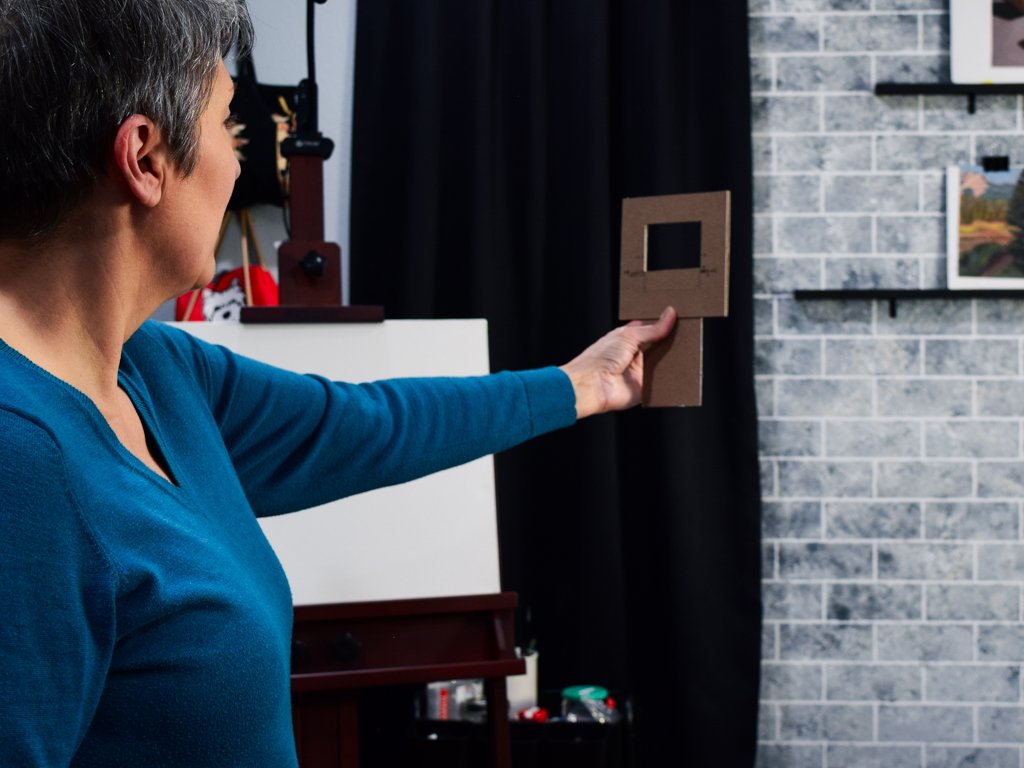
Before making thumbnails, even before making decisions about what you want to include in your drawing, the most important thing a beginner can do to improve a composition is to ensure that the drawing will be made in the same proportion as the reference or view that’s being drawn. A viewcatcher makes this easy.